Energy-Efficient Skylights: Cut Expenses and Brighten Your Living Space
Skylights present an effective method for enhancing energy efficiency in living spaces. By optimizing natural light, they can significantly reduce the need for artificial lighting, resulting in decreased energy bills. Additionally, their construction can enhance air circulation and climate management. However, potential buyers should evaluate several aspects before moving forward with the project. What qualities are necessary for peak efficiency, and how do they influence long-term energy conservation? Investigating these factors can guide smarter purchasing decisions.
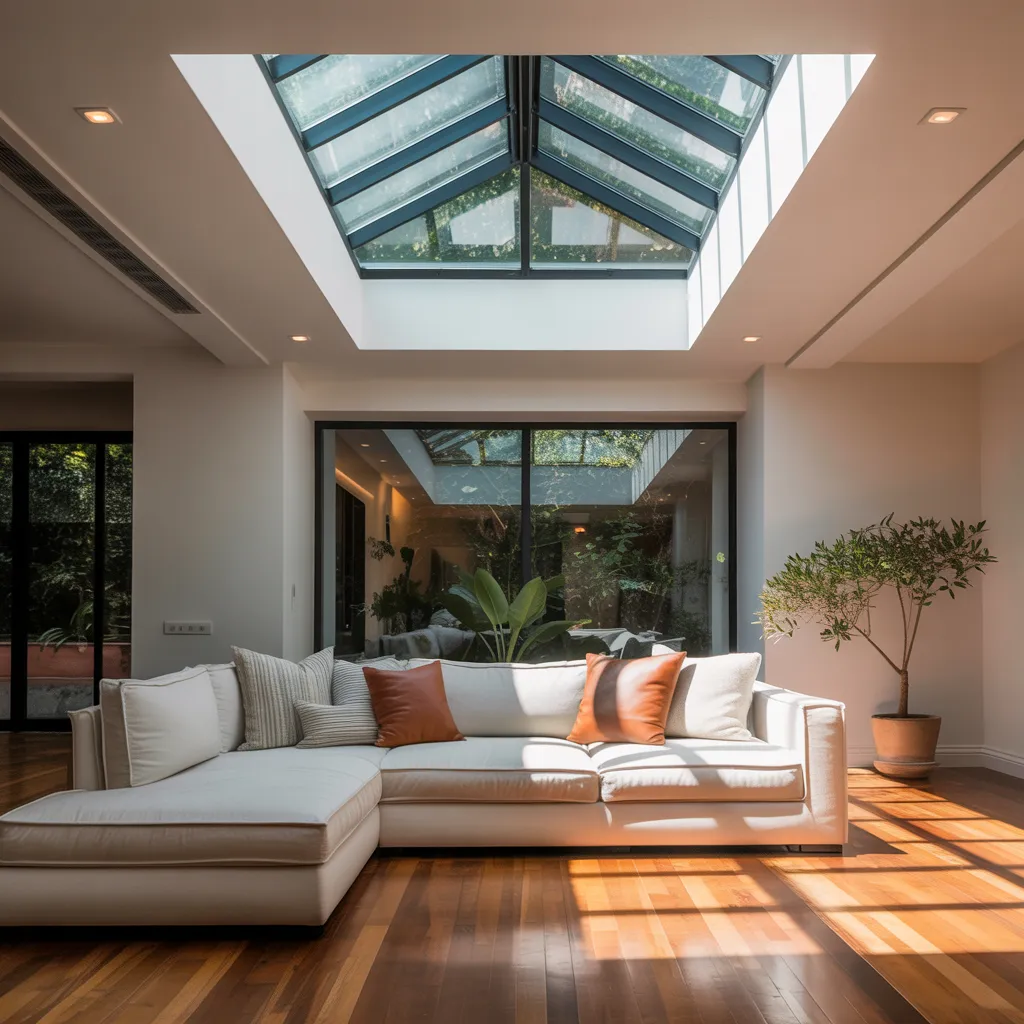
How Skylights Can Cut Down Your Energy Bills
Skylights enhance spaces while considerably cutting energy costs. By allowing natural light to flood interiors, they decrease reliance on artificial lighting, which can lead to significant savings on electricity bills. Furthermore, strategically positioned skylights can improve ventilation, allowing warm air to exit during summer months and decreasing the demand for air conditioning. This natural airflow contributes to a more comfortable environment without excessive energy consumption.
Throughout the cooler months, skylights are also effective at retaining warmth, particularly when fitted with energy-saving glazing. This quality limits heat escaping, leading to lower heating expenses. Moreover, the careful placement of skylights can enhance solar capture, capturing sunlight to warm rooms during daylight hours. In summary, integrating skylights into a home not only brightens it but also promotes energy efficiency, ultimately resulting in reduced utility costs and a smaller carbon footprint.
Critical Aspects to Keep in Mind When Choosing Skylights
When selecting skylights, two key features warrant careful consideration: the type of glass and the installation position. The glass selection impacts energy efficiency and durability, while the placement determines natural light intake and temperature regulation. Recognizing these elements can significantly improve the value that skylights deliver.
Glass Variety Options
Choosing the right type of glass for skylights is essential for optimizing energy efficiency and ensuring durability. There are generally two options: single and double-glazed glass. Single-pane glass is less heavy and less expensive but delivers limited insulation. In contrast, dual-pane glass incorporates two panes, offering improved thermal performance and noise reduction, making it a better choice for energy efficiency.
Moreover, the application of Low-E coatings can significantly boost energy efficiency by keeping heat inside during winter while reducing solar heat gain in summer. Furthermore, toughened glass adds an additional layer of safety, being more resistant to impact and thermal stress. All things considered, identifying the appropriate glass type can significantly impact both energy savings and comfort in a home.
Installation Location Significance
The placement location of a skylight greatly impacts its effectiveness and energy efficiency. Considerations like roof angle, orientation, and surrounding structures serve a significant purpose in determining the amount of natural light and heat gain a skylight can deliver. South-facing skylights typically capture the most sunlight, boosting energy savings during cooler periods, while north-facing options offer softer, diffused light well-suited for cutting down on glare. Furthermore, steering away from spots near large trees or buildings is critical, as these can obstruct light and diminish the skylight's benefits. Strategic placement takes potential heat loss into consideration, guaranteeing optimal energy performance across all seasons. In the end, strategic selection of the installation site can greatly enhance the advantages of skylights in any home.
How Skylights Improve Natural Light and Cut Costs
Skylights are instrumental in enhancing daylight utilization, effectively brightening indoor spaces without relying on artificial light sources. This increase in natural light not only elevates the interior aesthetic but also aids in decreasing electricity expenses by cutting down on electrical consumption. As a result, homeowners are able to experience a greener and more eco-friendly home while benefiting from significant cost savings.
Optimizing Natural Light Exposure
Even though many homeowners search for ways to cut energy bills, few understand the considerable effect that optimizing natural light can have on both well-being and household budgets. Skylights act as a powerful solution for utilizing natural light, enhancing home interiors and establishing a warm and appealing ambiance. With the careful installation of skylights, homeowners can boost the volume of natural light flowing into their residences, reducing reliance on artificial lighting during daytime hours. This not only enhances the aesthetic appeal but also improves the overall well-being of occupants. Furthermore, the abundance of natural light can produce the impression of more expansive rooms, encouraging a feeling of airiness. At the core of it all, skylights play a key role in creating a more agreeable living space, making them a valuable investment for those looking to enhance their homes.
Lowering Energy Bills
Many homeowners find that adding skylights can significantly reduce energy costs by increasing natural light in their living areas. By enabling sunlight to pour in during daylight hours, skylights minimize the need for artificial illumination, which can translate into meaningful savings on power bills. Additionally, skylights can improve thermal efficiency; designs incorporating energy-efficient glazing assist in stabilizing indoor temperatures, reducing the need for heating and cooling. This twofold benefit of natural light and thermal management not only establishes a more enjoyable indoor atmosphere but also translates into lower monthly utility expenses. As daylight enhances interior spaces, property owners often realize that they can experience a well-illuminated home without the added expense of higher energy usage. Consequently, skylights serve as a valuable investment in energy efficiency.
DIY vs. Professional Skylight Installation
Choosing between DIY and professional skylight installation can greatly impact both the project's outcome and the homeowner's experience. DIY installation can be attractive to those who enjoy hands-on projects and want to reduce labor expenses. However, it requires a solid understanding of roofing structures, waterproofing techniques, and local building codes. Missteps during installation may cause leaks or structural complications, which could ultimately result in greater repair expenses.
By comparison, employing skilled professionals secures expertise and commonly offers warranty protection, delivering reassurance. Skilled installers can ascertain proper placement and sealing, optimizing energy efficiency and visual appeal. Even though the initial expense may be more significant, the long-lasting rewards of a professionally installed skylight can outweigh the dangers of DIY endeavors. Homeowners must thoughtfully consider their capabilities and the intricacy of the project before deciding.
Skylight Care Tips for Long-Lasting Performance
Maintaining skylights is essential for ensuring their longevity and ideal performance. Regular inspections should be conducted to identify any signs of wear, such as leaks or cracks. Cleaning the skylight's glass and surrounding frames is vital; using a soft cloth and a mild detergent can prevent dirt buildup, which can obstruct light and affect energy efficiency. It is also advisable to check and maintain the flashing and seals to prevent water intrusion. Property owners should remove any obstructions, such as leaves or twigs, from the skylight's borders to promote adequate drainage and reduce possible harm. Furthermore, confirming that the skylight is adequately insulated can assist in preserving energy efficiency and avoiding condensation. When challenges develop that surpass standard maintenance, obtaining expert help is suggested to resolve more complicated problems effectively. By following these maintenance tips, homeowners can enhance the lifespan and functionality of their skylights.
How to Make the Most of Your Skylights All Year Long
Routine upkeep of skylights establishes the foundation for optimizing their advantages across all seasons. Homeowners should regularly clean the glass to guarantee ideal light penetration, removing dust and debris that can obstruct sunlight. Furthermore, using UV-protective coatings can reduce heat loss during winter while deflecting surplus heat in the summer months.
Seasonal modifications can also be advantageous; employing shades or blinds can effectively manage indoor temperatures, reducing the need for artificial lighting and HVAC systems. In colder months, the use of insulated covers can prevent heat loss, whereas during warmer months, utilizing open skylights can foster natural ventilation, enhancing air circulation.
Moreover, incorporating smart technology enables homeowners to operate skylights from a distance, improving their effectiveness based on changing weather. Through applying these approaches, homeowners can fully harness the sustainable advantages and decorative value of skylights, confirming their home continues to be well-lit and inviting all year long.

Common Questions and Answers
What Skylight Types Are Currently Available on the Market?
Various types of skylights are available, including fixed, ventilated, tubular, and electric models. Every model addresses specific needs, like boosting natural light, enhancing ventilation, or offering energy efficiency, meeting a variety of homeowner requirements.
Do Skylights Work with All Roof Types?
Skylights are not suitable for all roof types. The installation process may be influenced by factors including roof pitch, material, and structural integrity. Consulting a professional assessment is suggested to establish compatibility with specific roofing systems.
How Do Skylights Impact Indoor Temperatures?
Skylights play a major role in affecting the temperatures inside a space by permitting natural light to stream in, which can warm spaces during colder months. That said, read now in the absence of adequate insulation or shading solutions, they may also contribute to overheating in warmer seasons.
Can Skylights Be Used for Ventilation Purposes?
Skylights are capable of improving ventilation by enabling warm air to exit through the roof, promoting airflow. This natural airflow can assist in regulating indoor temperatures and enhance the overall air quality, creating spaces that are more comfortable and welcoming.
What Are the Aesthetic Options for Skylights?
Aesthetic options for skylights comprise a wide range of shapes, sizes, and glazing varieties. Varieties include vented, tubular, or fixed configurations, with personalized frames and finishes to complement building aesthetics, elevating both brightness and visual impact in living areas.